
2026 New York Build Show
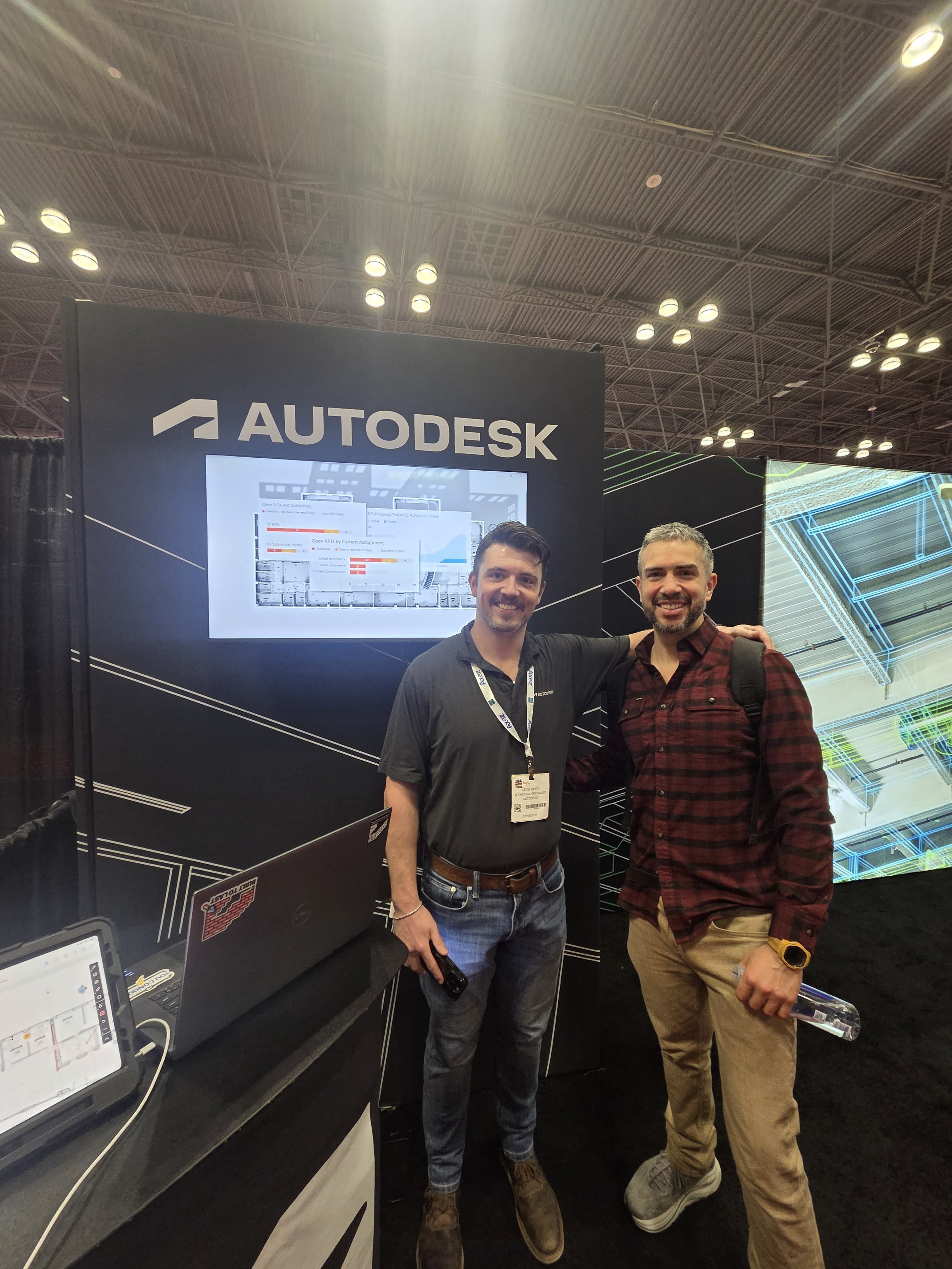
SO there’s a certain energy you feel when you step into a place like the Javits Center during the 2026 New York Build Show. I enjoyed seeing the products and services from different construction and engineering companies. Everywhere you turn, people are solving problems we may not even think we have yet!
I went in as a technology teacher but I walked out thinking like a student again.
Walking Into the Future of Building
The scale of the event hits you first. Booth after booth, conversations layered over the sound of demonstrations, screens glowing with models of buildings that don’t yet exist but somehow feel inevitable. Like a giant wave that you see coming at you! It’s one thing to teach students about construction, design, and engineering. It’s another to stand in the middle of where those ideas are actively evolving.
1 thing stood out: the pace of change in the building sector.
Construction is no longer just about materials and labor. It’s about data, simulation, automation, and collaboration. The job site is becoming just as digital as it is physical.
And that realization matters deeply for education.
Why This Matters in My Classroom
As someone who teaches woodworking, CAD, and even mathematics, I’m constantly asking myself one question:
Are we preparing students for the world they’re actually walking into?
The answer, after this event, is clear. We have to go beyond teaching skills in isolation.
Teaching Woodworking for me is now evolving into:
Design thinking
Digital modeling
Precision manufacturing
Iteration before material is ever cut (& plenty of mistakes along the way!)
Mathematics is now::
Geometry inside CAD environments
Measurement tied to real tolerances
Data used to optimize real systems
What I saw reinforced something I’ve believed for a long time:
Students need to understand how ideas move from concept → model → production.
The Autodesk Booth: Where Design Becomes Intelligence
One of the most impactful stops of the day was the Autodesk booth. Autodesk offers CAD programs and now it’s giving us a glimpse into how thinking itself is changing in design.
Autodesk is pushing heavily into AI-assisted design, and what I saw wasn’t about replacing the designer. It was about removing friction.
Here are a few things that stood out:
AI-Powered Smart Blocks
The software can now detect repeated objects in a drawing and automatically convert them into reusable components, cleaning up designs and saving time.Markup Assist + Cloud Collaboration
You can import feedback directly from PDFs or images, and the system helps interpret and integrate those changes into your design without overwriting the original work.Activity Insights (Design History Tracking)
The software tracks what changed, who changed it, and when, creating a living timeline of a project. ()AI + Automation Across Workflows
Autodesk is embedding AI to analyze drawings, suggest improvements, and automate repetitive steps, allowing designers to focus more on creativity and less on process.
And beyond AutoCAD, Autodesk is exploring tools that can:
Generate 3D models from text or images
Assist users with built-in AI guidance
Even simulate how designs behave in the real world
This shift is massive.
It means design is becoming more interactive, predictive, and intelligent…… Scary!
What This Means for My Students
Standing there, watching these tools in action, I couldn’t help but think about my students back in the shop and classroom.
If industry is moving toward:
AI-assisted design
Integrated digital workflows
Real-time collaboration
Then my job isn’t just to teach them how to use tools.
It’s to teach them how to think within systems.
That means:
Teaching woodworking projects that begin in CAD
Using math as a tool for design accuracy, not just abstraction
Encouraging iteration before execution
Helping students understand that failure in a model is cheaper and smarter than failure in materials
Bridging the Gap Between School and Industry
Events like NY Build expose a gap that exists in education.
Industry is moving fast. Classrooms often move carefully.
Yes we oftten se that slow moving pace as a weakness with our schools, but It can be an opportunity.
Because what we can do as educators is translate complexity into understanding.
We can take:
Advanced tools
Rapid innovation
Industry expectations
And break them down into experiences students can actually grasp.
That’s where real teaching happens.
My thoughts…
By the end of the day, yes I was a bit tired (I had daddy duties so I had to take in my toddler!)
Not because I saw something completely unfamiliar.
But because I saw confirmation.
Confirmation that what we teach matters more when it’s connected.
Confirmation that students need both hands-on skills and digital fluency.
Confirmation that the future of building is already here.
And maybe most importantly:
Confirmation that education can’t remain stagnant.